Mindfulness meditation is a simple way to practice noticing what is happening right now, including breath, body sensations, thoughts, and feelings. If you are new to meditation, you do not need special equipment or a perfectly quiet mind. Start with a few minutes, use one steady point of attention, and treat each return to it as part of the practice.
Key takeaways for a beginner
- Begin with a short session, such as five minutes, and a comfortable, upright position.
- Use the breath as an anchor, but do not force it to change.
- When attention wanders, notice where it went and return without self-criticism.
- Practice for awareness and emotional choice, not to eliminate every thought or feeling.
- If meditation increases distress, make the practice gentler or stop and seek support.
What mindfulness meditation trains you to notice
Mindfulness meditation is the practice of paying attention to present-moment experience with less automatic judgment. The breath is a common anchor, but sounds, body sensations, or the feeling of your feet on the floor can work too. The skill is noticing experience as it unfolds, rather than trying to make the mind empty.
This distinction matters in daily life. You may notice tension before responding sharply, or recognize that worry is present without treating every worried thought as a fact. For readers exploring the distinction between attention training and broader contemplative practice, this guide to mindfulness and meditation offers a related perspective.
Mindfulness is not a promise of constant calm. It is a way to become more aware of your internal state, creating a small pause in which a more deliberate response may become possible.
How do you start with a five-minute practice?
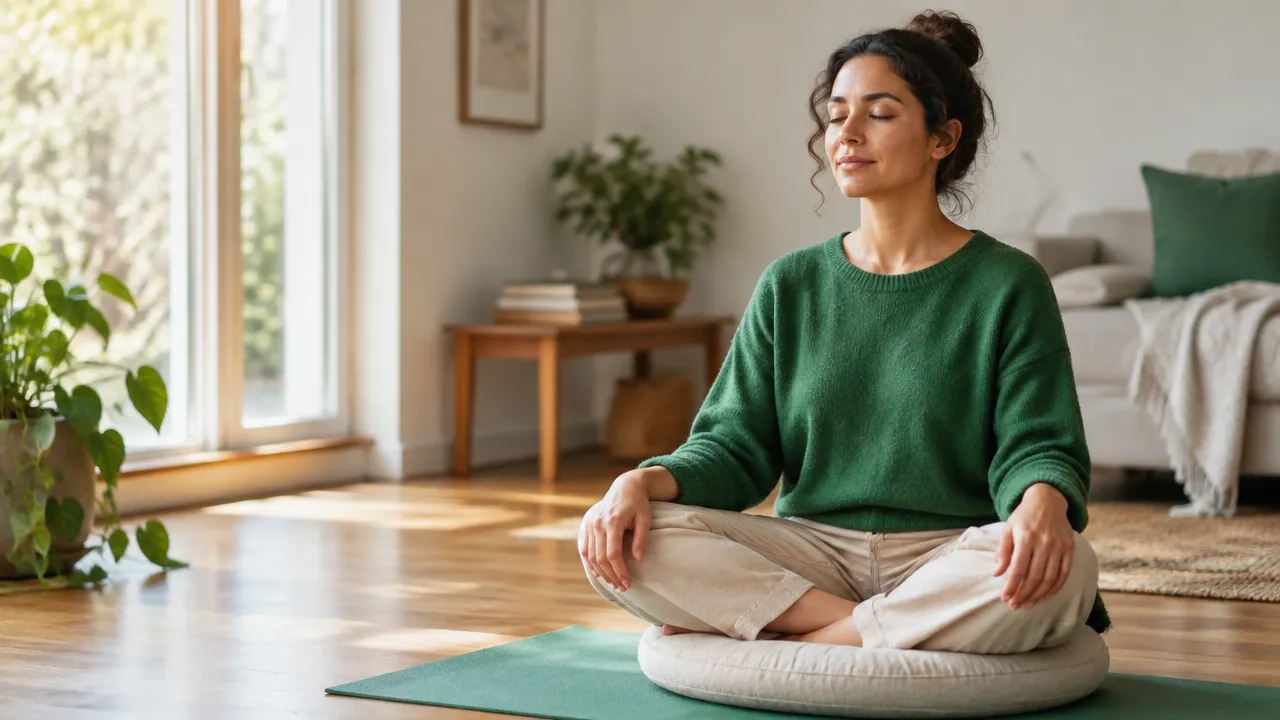
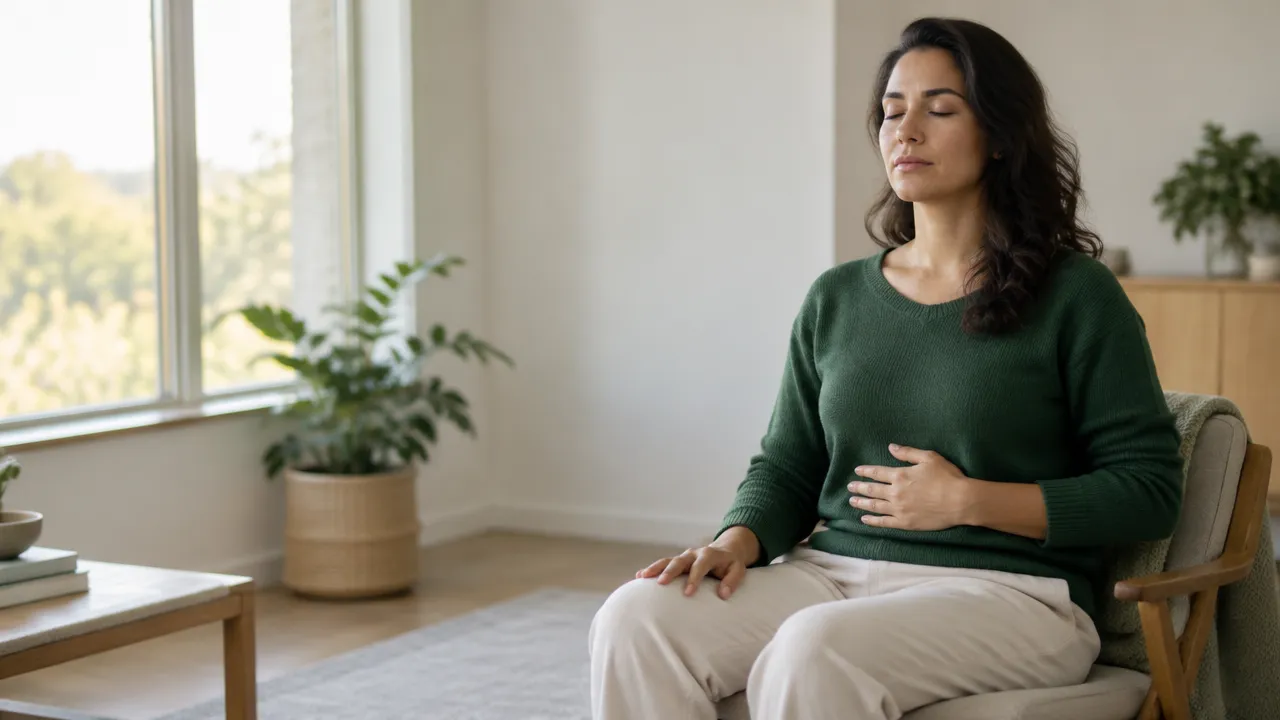
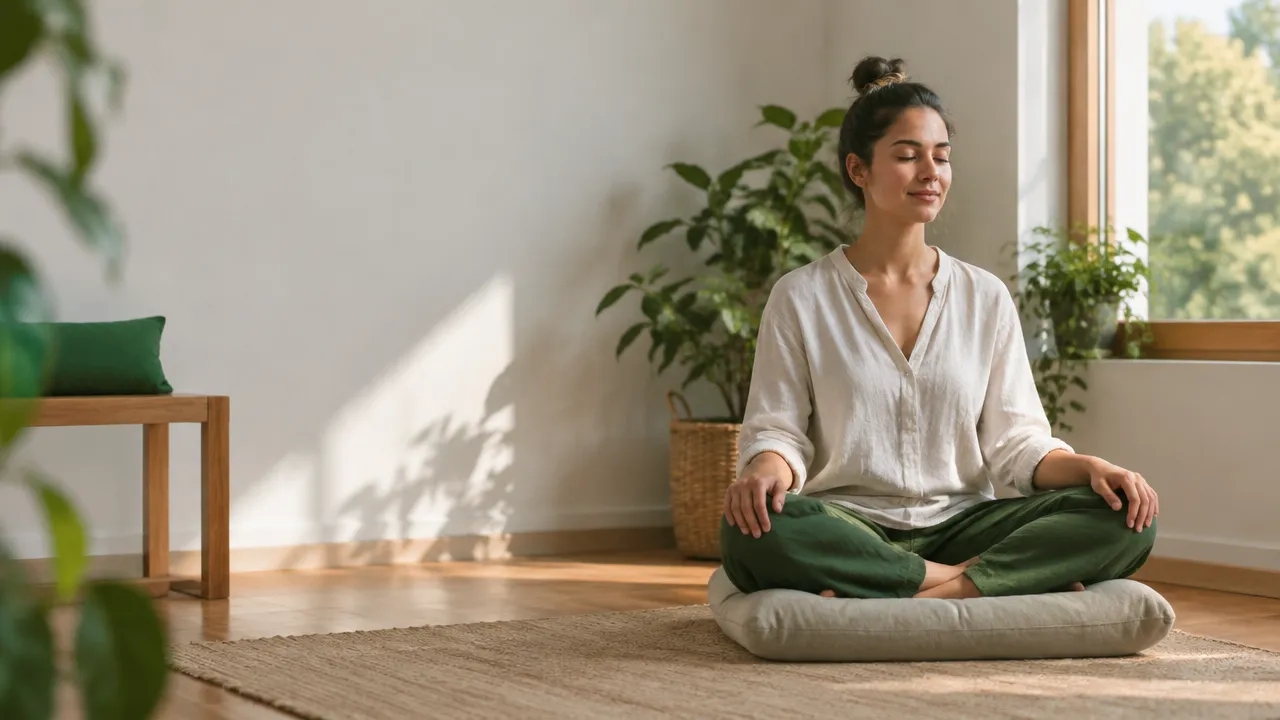
A brief, consistent session gives you a clear place to begin. Choose a chair, cushion, or other stable seat. Keep your posture relaxed but alert, and let the breath move naturally instead of taking unusually deep breaths.
- Settle for one minute. Feel the support beneath you and notice the contact of your feet, hands, or body with the seat.
- Follow the breath for three minutes. Notice sensations at the nostrils, chest, or abdomen. Choose one place and stay curious about each inhale and exhale.
- Close for one minute. Notice sounds and body sensations around you, then open your eyes or lift your gaze and continue your day.
Mayo Clinic’s beginner guidance also recommends comfortable posture, natural breathing, and gently returning attention when it wanders. Adapt its basic meditation instructions to a shorter session if that makes practice easier to repeat. For an accessible start, a chair is as suitable as a floor cushion.
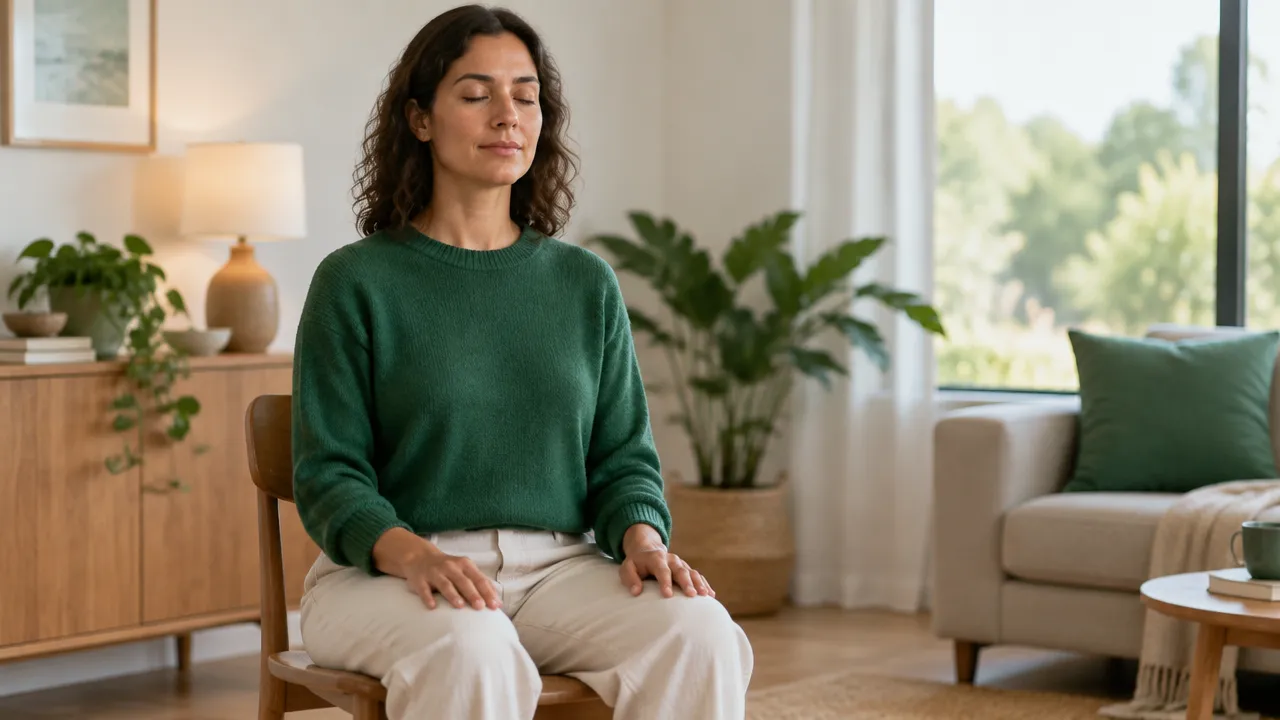
If a breath-focused session feels uncomfortable, keep your eyes open and rest your attention on a neutral object or the sensation of your feet on the floor. You can also try a short body scan or mindful walking. Mayo Clinic describes several simple mindfulness exercises that use everyday sensations as an anchor.
What should you do when your mind wanders?
Notice the distraction, name it gently if useful, and return to your chosen anchor. Thoughts, plans, memories, and sounds are ordinary experiences, not proof that you are meditating badly. The moment you notice attention has drifted is a moment of awareness, and returning is the practical repetition that builds the skill.
Try a quiet label such as “planning,” “remembering,” or “sound,” then feel the next breath. Avoid arguing with the thought or demanding that it disappear. If you find yourself judging your performance, notice that judgment too, and come back to a sensation in the present.
This approach can also apply outside a formal session. Before answering a tense message, notice your breath and shoulders, identify the feeling that is present, and decide what response fits your intention. A practical guide to mindfulness in everyday decisions can help connect attention practice with behavior.
How can you build a habit that lasts?
Make the practice small enough to repeat under ordinary conditions. Link it to an existing routine, such as sitting after breakfast or taking three attentive breaths before opening your laptop. Choose a minimum session you can keep on a busy day, then extend it only when the shorter version feels steady.
- Use the same cue and place when practical.
- Set a gentle timer so you do not keep checking the clock.
- Track whether you practiced, not whether you felt calm.
- After a missed day, resume at the next opportunity instead of trying to make up for it.
A habit is more sustainable when it fits real life rather than an ideal schedule. If a daily session feels like too much, practice for two minutes or use a short pause during a routine activity. These meditation micro-habits offer another way to make attention practice manageable.
What can mindfulness help with, and what should you expect?
Mindfulness can support attention and stress management, but its effects vary and it should not be treated as a guaranteed remedy. The National Center for Complementary and Integrative Health summarizes research suggesting some mindfulness-based approaches can help with anxiety and depression compared with no treatment, while also noting limits and mixed results across studies. Its overview of meditation evidence and safety is useful for keeping expectations realistic.
Use the practice as one tool for self-awareness, not as a substitute for medical or mental health care. You might judge progress by noticing a feeling sooner, recovering attention more gently, or responding with greater intention, rather than by expecting every session to feel peaceful.
When should you adjust or stop the practice?
Mindfulness is not always comfortable. If focusing inward intensifies anxiety, difficult memories, or low mood, shorten the session, open your eyes, shift attention to external sounds, or stop. NCCIH notes that meditation is generally considered to have few risks, but research on possible adverse effects is limited and some people report difficult experiences.
If distress persists or the practice makes your wellbeing worse, speak with a qualified health professional. Do not use meditation to delay care for a health concern. A supportive teacher may help you adapt the practice, but you are allowed to choose another approach.
Frequently asked questions
What is a mindfulness meditation technique?
A mindfulness meditation technique trains attention by focusing on a present-moment anchor, such as the breath or sensations in the body. When thoughts or feelings arise, notice them without judging yourself, then gently return attention to the anchor. The aim is awareness, not forcing the mind to become blank.
How do I start mindfulness meditation?
Start with a comfortable seated position and a few minutes of quiet. Notice the natural movement of your breathing without trying to control it. When attention drifts, recognize that it has wandered and return to the next breath. A short, repeatable session is a practical way to begin.
Can I teach myself meditation?
Yes, many people can learn a simple practice on their own by following clear instructions and starting with brief sessions. A teacher or guided recording can offer structure, but it is not essential. If meditation brings up distress or feels difficult to manage, pause and consider seeking qualified support.
Who should not practice mindfulness?
Most people can explore brief mindfulness exercises, but the practice does not feel helpful or comfortable for everyone. If you have a history of trauma or experience intense anxiety, difficult memories, or worsening mood during meditation, try shorter sessions with your eyes open or stop and speak with a qualified professional.