
Breathwork means intentionally noticing or changing your breathing to influence attention, arousal, or emotional experience. Gentle techniques can offer a practical pause for beginners, but they are not a cure-all, and intense methods are not right for everyone. Start with comfortable breathing, observe how you respond, and let ease rather than intensity guide your practice.
Key points to know before you begin
- Breathing exercises vary widely, from quiet, steady breaths to rapid breathing and breath holds.
- A five-minute, gentle practice is enough to explore how breath and attention interact.
- Research suggests potential benefits for stress and mood, but it does not establish that every technique works for every person.
- Dizziness, distress, or pain are cues to stop and return to ordinary breathing.
What breathwork does, and what it cannot promise
Intentional breathing can give attention a simple anchor and may shift how alert or settled you feel. Breathing rhythm interacts with the body’s regulation systems, but the effect is not a guaranteed on-off switch from stress to calm. People can respond differently to the same exercise.
Evidence is promising but still developing. A 2023 randomized study compared short daily breathing practices with mindfulness meditation over 28 days. The researchers reported improvements in mood across the practices, with cyclic sighing showing particularly notable changes in positive affect and respiratory rate. The randomized breathing-practice study supports exploring brief routines, not assuming a dramatic or universal result.
A separate 2023 review of randomized trials found potential mental-health benefits, while noting limits in the evidence base. The review of breathing and mental health research is a useful reminder to treat these practices as supportive tools, not replacements for care when you need it.
Three techniques with different purposes
Choose a breathing pattern based on the experience you want, and keep the first trial comfortable. You do not need to take unusually deep breaths to practice intentionally.
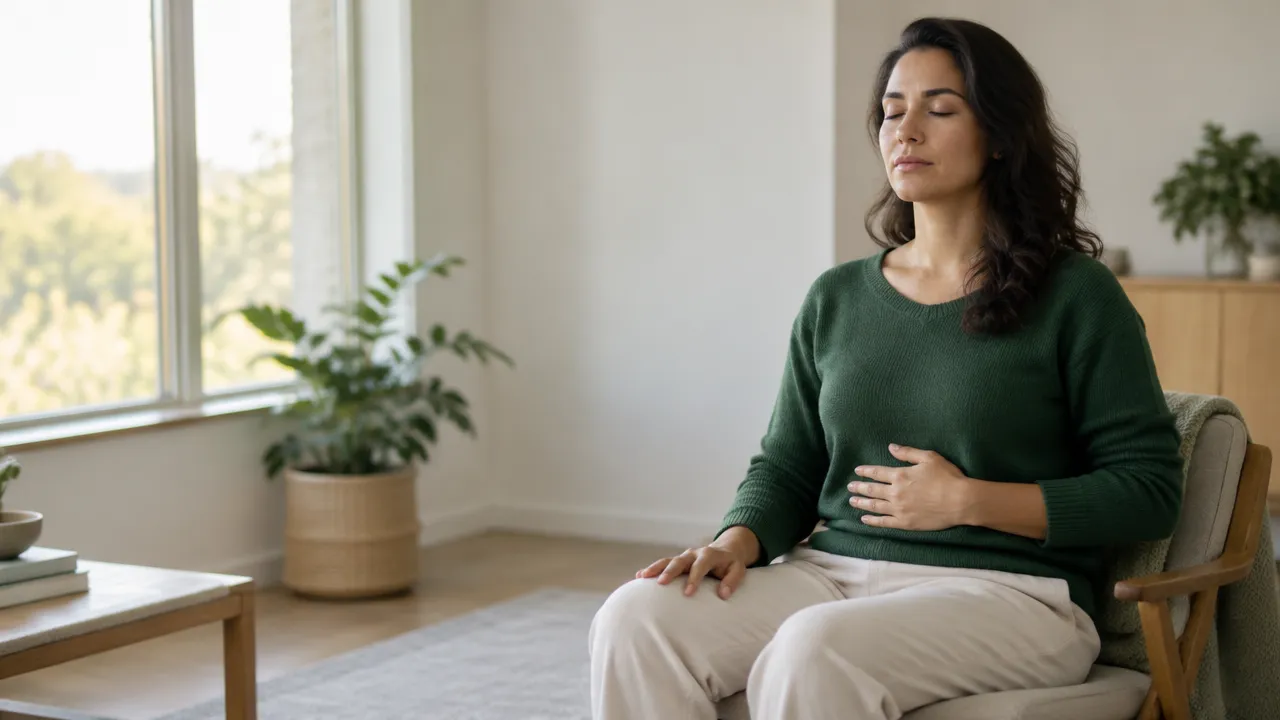
- Gentle diaphragmatic breathing: Sit or lie down and breathe naturally through your nose. Notice whether your lower ribs and abdomen move softly, without forcing them outward.
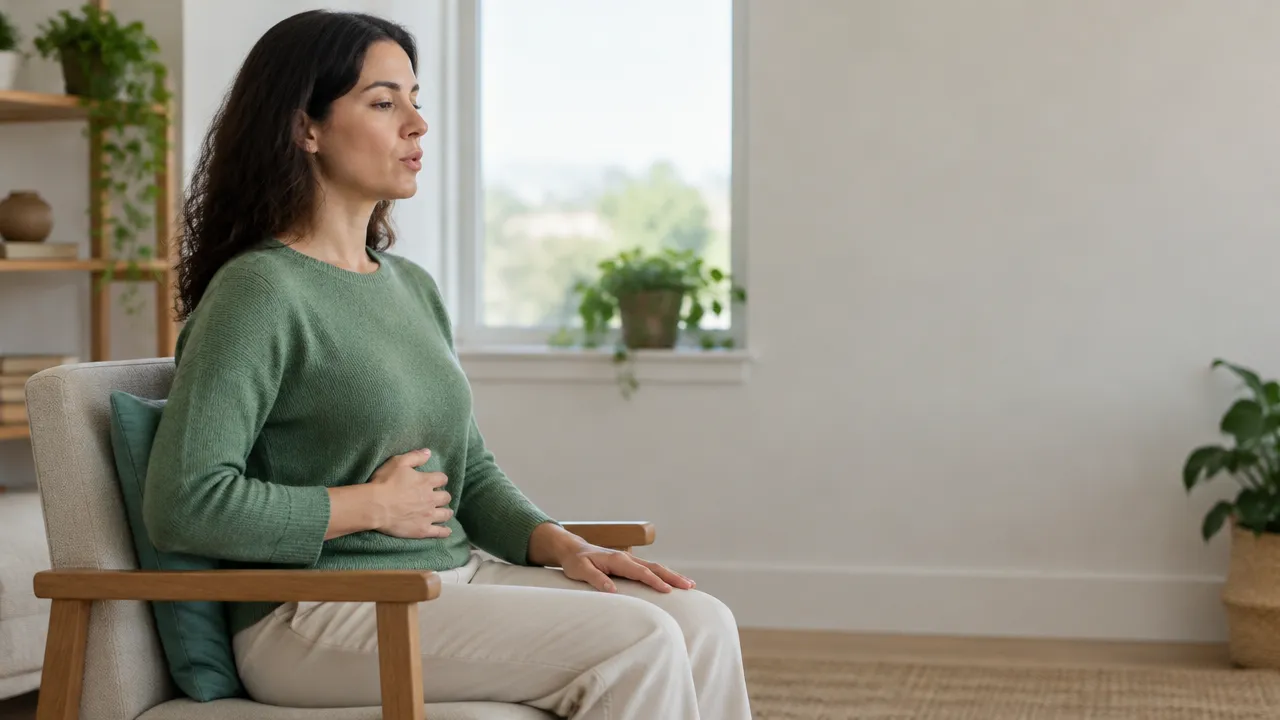
- Longer exhale: Breathe in comfortably, then allow the exhale to last a little longer. Skip counting if it makes you tense.
- Equal-count breathing: Inhale and exhale for similar, easy counts, such as three or four. Leave out breath holds at first.
These are options, not a ranking. If counting or focusing inward increases tension, keep your eyes open, notice the room, or simply return to your normal breathing. For more ways to fit short pauses into daily life, explore mindful breathing routines.
How to start with a practical five-minute routine
Begin with five minutes of gentle breathing while seated somewhere stable. Keep the breath quiet and unforced, and finish by noticing whether you feel more settled, unchanged, or less comfortable.
- Settle into a supported sitting position and let your shoulders soften.
- For one minute, notice your natural breathing without trying to improve it.
- For three minutes, breathe comfortably and let each exhale be slightly longer if that feels easy.
- For the final minute, return to normal breathing and notice your mood and body.
Try this on a few separate days rather than judging it after one session. A brief note such as “calmer,” “same,” or “more tense” helps you adjust based on your own response. This approach fits with building a sustainable mindfulness habit.
Why emotions may surface, and when to pause
Some people become emotional during breathing practice because stillness and focused attention make sensations or feelings more noticeable. Crying does not, by itself, mean that trauma has been released or that the exercise is succeeding. There is no need to force an emotional response or push through discomfort.
If you feel overwhelmed, stop the exercise and let your breathing return to its usual rhythm. Open your eyes, orient to the room, and feel your feet on the floor. If distress lingers or the practice brings up difficult memories, consider pausing and speaking with a qualified mental-health professional.
Fast, deep breathing and prolonged breath holds can feel very different from gentle exercises. Do not use an intense method to prove resilience or chase a particular sensation. Ask a qualified clinician before trying intense practices if you have relevant health concerns, and stop if you experience pain, marked dizziness, panic, or unusual shortness of breath.
Is breathwork the same as meditation?
No. Breathwork intentionally uses a breathing pattern or breath awareness as the main practice. Meditation is broader: it can train attention, awareness, or compassion, sometimes using the breath as an anchor and sometimes focusing elsewhere. A breathing exercise can be mindful, but not every meditation changes the breath.
Pick the approach that meets your need. If you want a short, concrete way to pause, a gentle breathing exercise may suit you. If you want to practice observing thoughts and sensations without directing your breath, meditation may be a better fit. The distinction between mindfulness and meditation can help clarify that choice.
Frequently asked questions
What is breathwork about?
Breathwork is the intentional use of breathing patterns to influence attention, arousal, or emotional experience. It ranges from gentle, steady breathing to more intensive methods with rapid breaths or breath holds. The effects depend on the technique, your health, and how your body responds, so intensity is not a measure of effectiveness.
Why do I cry during breathwork?
Crying can happen when a breathing practice brings attention to feelings, memories, or bodily sensations that were easy to overlook. It does not prove that trauma is being released or that the practice is working. Pause, return to ordinary breathing, and choose support from a qualified professional if the reaction feels overwhelming or continues afterward.
What is a good breathing routine?
A good starting routine is five minutes of comfortable, unforced breathing: inhale gently through your nose, then let the exhale last slightly longer. Keep the breath quiet and easy rather than taking the deepest breath possible. Stop if you feel unwell, and repeat the routine regularly only if it feels supportive.
Is breathwork the same as meditation?
No. Breathwork deliberately changes or observes breathing, while meditation is a broader practice of training attention and awareness. They can overlap: a meditation may use breath as an anchor, and a breathing exercise may include mindful attention. Choose based on whether you want to work directly with breathing or practice awareness more broadly.
Who should not do breathwork?
People with relevant health concerns, including heart or lung conditions, a history of fainting or seizures, or pregnancy, should ask a qualified clinician before trying intense breathing or breath retention. Gentle, natural breathing may be more appropriate, but stop if you feel pain, marked dizziness, panic, or unusual shortness of breath.