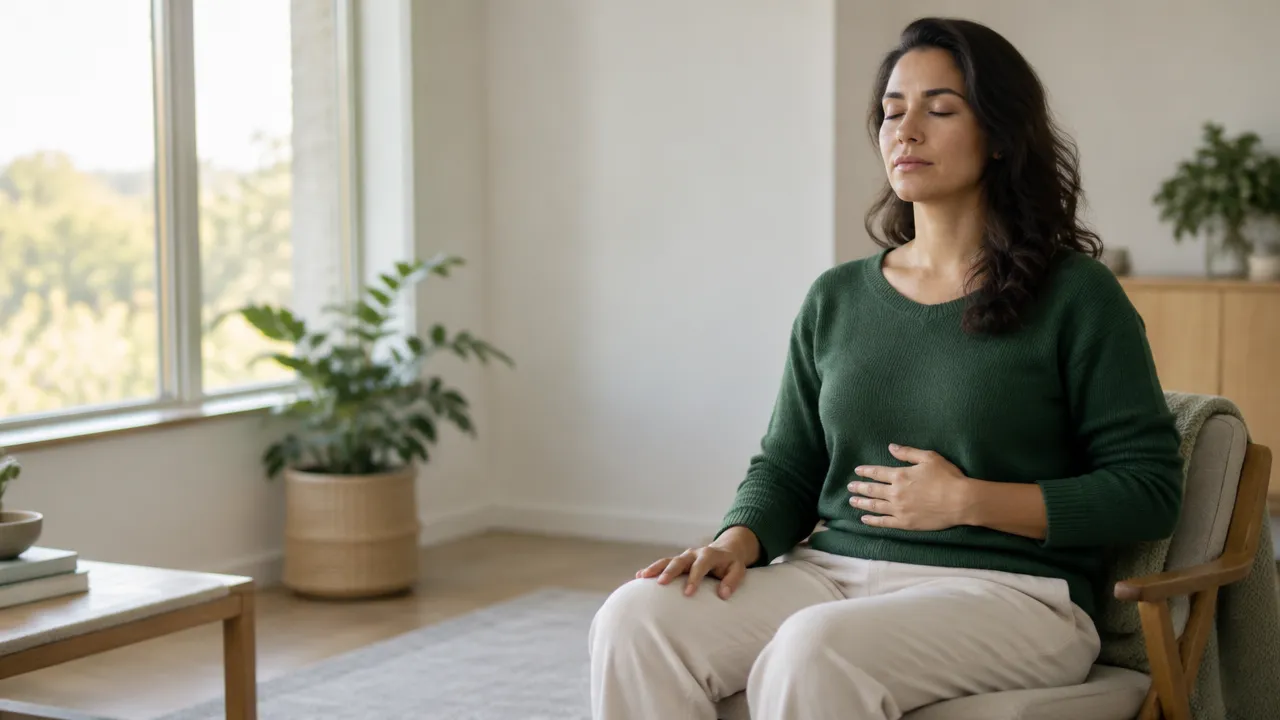


Pressure changes us fast. A hard meeting, a family conflict, a full inbox, bad sleep, and suddenly our breath gets short, our thoughts tighten, and our reactions become sharp. We have seen this many times in daily life. Resilience rarely breaks in one big moment. It fades in small moments when stress goes unchecked.
Meditation micro-habits help us recover our center in short, repeatable moments during the day.
That is why they work so well under pressure. They do not ask for a perfect schedule or a silent room. They ask for one minute. Sometimes less. And in our experience, that makes all the difference for people who say, “I know meditation helps, but I do not have time.”
We think resilience is not just endurance. It is the ability to stay present, feel what is happening, and still choose our next step with clarity. Small meditation habits train that ability in real time, where life actually happens.
Why small practices work
When people imagine meditation, they often picture a long session with candles, silence, and no interruptions. Real life is not like that. Real life has phone calls, traffic, deadlines, and noise from the next room.
Micro-habits fit this reality. They lower the entry barrier. They also reduce the inner resistance that comes from trying to do too much at once.
A micro-habit is a tiny action linked to a clear cue, repeated until it becomes natural.
For meditation, this might mean one slow breath before opening email, thirty seconds of body awareness before a call, or a short pause while waiting for water to boil. The size matters. Small actions are easier to repeat, and repetition builds stability.
Research supports this direction. A meta-analysis of 88 studies with 8,728 university students found meditation-only interventions improved resilience-related mental health outcomes. We should be careful not to turn one study into a promise for every person, but the pattern is encouraging. Meditation can strengthen the inner conditions that support resilience.
Small calm beats rare perfection.
What pressure does to the mind and body
Under pressure, we narrow. Our attention fixes on threat. Our body prepares to react. That response is useful in real danger, but many daily stressors do not need a fight response. They need steadiness.
We once worked with people who felt strong all morning and then unraveled after one unexpected message. Not because the message was so large, but because tension had been stacking all day. No pause. No reset. No space between trigger and response.
Meditation micro-habits interrupt that chain. They bring awareness back to breath, posture, sensation, and thought. This does not erase stress. It changes our relationship with it.
They slow automatic reactions.
They help us notice tension before it spills out.
They support emotional regulation in short bursts.
They create small moments of choice in busy hours.
That is where resilience grows, not outside pressure, but inside it.
Five meditation micro-habits for hard days
We suggest choosing one or two first. Too many habits at once can feel heavy. Let them become easy before adding more.
The one-breath reset
Before touching a door handle, answering a message, or joining a meeting, take one slow breath in and one longer breath out. Keep your shoulders soft.
This is the simplest reset we know. It can happen anywhere. No one needs to notice.
The sixty-second body scan
Set a timer for one minute. Notice your jaw, neck, chest, belly, and hands. Do not fix anything at first. Just notice. Then soften one area with the exhale.
This works well between tasks because pressure often settles in the body before the mind names it.

The three-step arrival
Use this when moving from one role to another, such as worker to parent, or speaker to listener.
Stop for ten seconds.
Feel both feet on the ground.
Name your intention in one short sentence.
For example, “Now we arrive with patience.” It sounds simple because it is simple. That is the point.
The pause before reply
When a message triggers irritation, wait for three breaths before replying. Read the message once more after the third exhale.
Resilience often appears as the pause that keeps a hard moment from becoming a worse one.
The evening release
At the end of the day, sit for two minutes and ask, “What am I still carrying?” Notice the answer in the body. Exhale slowly and relax the area that feels loaded.
This habit helps us stop bringing the whole day into the night.
How to make micro-habits stick
The best meditation habit is the one we actually repeat. We have found that consistency grows when the habit is tied to something that already happens each day.
Good cues include:
Before opening the laptop
After sitting in the car
While washing hands
Before eating lunch
After turning off the bedroom light
It also helps to keep the habit very small in the first week. One breath is enough. Thirty seconds is enough. If the practice feels too easy, that is often a good sign.
If you want more grounded support on mindfulness, emotional regulation, and attention training, these areas can deepen the daily method without making it complex. We also find that themes like emotional development, applied psychology, consciousness, and leadership help people connect inner steadiness with real relationships and decisions.
What gets in the way
Many people stop because they think they are doing it wrong. They say the mind wanders, the body feels restless, or the pause feels too short to count.
We think this view is too harsh. The wandering mind is not a failure. Noticing that it wandered is part of the training. Restlessness is not a sign to quit. It is often the very reason to practice.
You do not need a quiet mind to begin. You need a repeatable moment of attention.
Another obstacle is waiting for pressure to disappear before starting. But micro-habits are made for imperfect days. In fact, they show their value most clearly when life feels crowded.

Conclusion
Pressure will visit all of us. The question is not how to remove every stressor. The question is how to meet stress without losing our balance so quickly.
Meditation micro-habits offer a practical answer. They are short, direct, and realistic. They teach us to pause before reacting, notice before denying, and return before spiraling. Over time, these tiny returns shape a steadier inner life.
We do not need a dramatic routine to become more resilient. We need honest repetition. One breath. One minute. One clear pause at the right time.
Resilience is trained in moments.
Frequently asked questions
What are meditation micro-habits?
Meditation micro-habits are very short practices, often from a few seconds to a few minutes, that help us return attention to breath, body, or awareness. They are built to fit daily life and are usually linked to a cue, such as starting work or finishing a call.
How can micro-habits build resilience?
They build resilience by training calm, awareness, and emotional regulation in small repeated doses. With time, these brief pauses help us respond with more clarity under stress instead of reacting on impulse.
What is the best time to meditate?
The best time is the time we can repeat. For some people, that is early morning. For others, it is before meetings, after commuting, or before sleep. A clear and stable cue matters more than the hour itself.
How long should micro-habits take?
Most micro-habits can take between 10 seconds and 2 minutes. The goal is not length. The goal is consistency. A short practice done often can have more value than a long practice done rarely.
Are meditation micro-habits worth trying?
Yes. They are low effort, easy to begin, and realistic for busy days. If long sessions feel hard to maintain, micro-habits can be a practical way to build resilience and a steadier mind without adding strain to the schedule.