
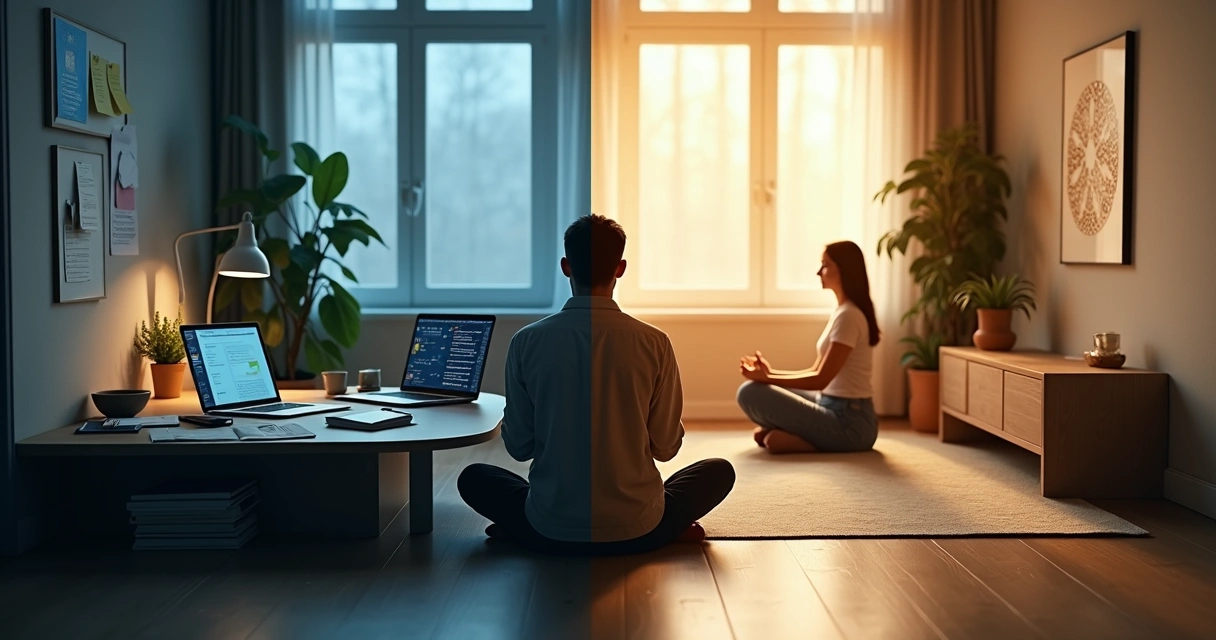
Not all stress feels the same. Some days, our mind races. On others, our chest tightens, our mood drops, or our body feels like it never got the message that the danger is over. That is why one meditation method may feel calming for one person and frustrating for another.
The best meditation for stress is often the one that fits the way stress shows up in us.
In our experience, many people quit too soon because they pick a practice that does not match their pattern. A person with anxious thoughts may not do well with long silent sitting on day one. Someone who feels numb or drained may not respond to a highly activating practice. The match matters.
We can think of stress patterns as repeated ways our system reacts under pressure. They shape our thoughts, breath, posture, sleep, and even our relationships. When we notice the pattern, we can choose a meditation technique with more care and better results.
Why stress patterns matter
We often hear, “I tried meditation, and it did not work.” Sometimes the issue is not meditation itself. It is fit.
A large U.S. survey described in findings on meditation and mindfulness effectiveness and safety showed that many adults used mindfulness meditation to relax or reduce stress. That makes sense. Yet stress is not a single state. It can be restless, heavy, sharp, frozen, or scattered.
Stress has a style.
When we notice that style, we stop treating ourselves like a machine. We respond with more intelligence and less force.
Four common stress patterns and their matches
We do not need a perfect diagnosis to begin. We just need honest observation. Below are four common patterns we see often and the meditation styles that tend to pair well with them.
Racing mind and future fear
This pattern often sounds like inner noise. Our thoughts jump ahead. We rehearse problems, imagine bad outcomes, and struggle to rest. The body may feel alert even when nothing urgent is happening.
For this pattern, breath-counting meditation tends to help. It gives the mind a simple task. We count each exhale from one to five, then begin again. If we lose count, we restart without judgment.
Breath-counting works well for mental overdrive because it gives attention a narrow and steady anchor.
A short structure can help:
Sit in a stable position.
Exhale and count “one.”
Continue to “five.”
Start over for 5 to 10 minutes.
If silent counting feels too dry, guided mindfulness can also support this pattern. We often suggest starting with simple mindfulness practices that keep attention in the present moment without pressure.
Tight body and pressure build-up
Some people do not first notice thoughts. They notice jaw tension, shallow breathing, headaches, neck stiffness, or a hard stomach. They say, “I am fine,” but their body tells another story.
For this pattern, body scan meditation is usually a better match than thought-focused meditation. We move attention slowly through the body, part by part, noticing sensation without trying to fix it.
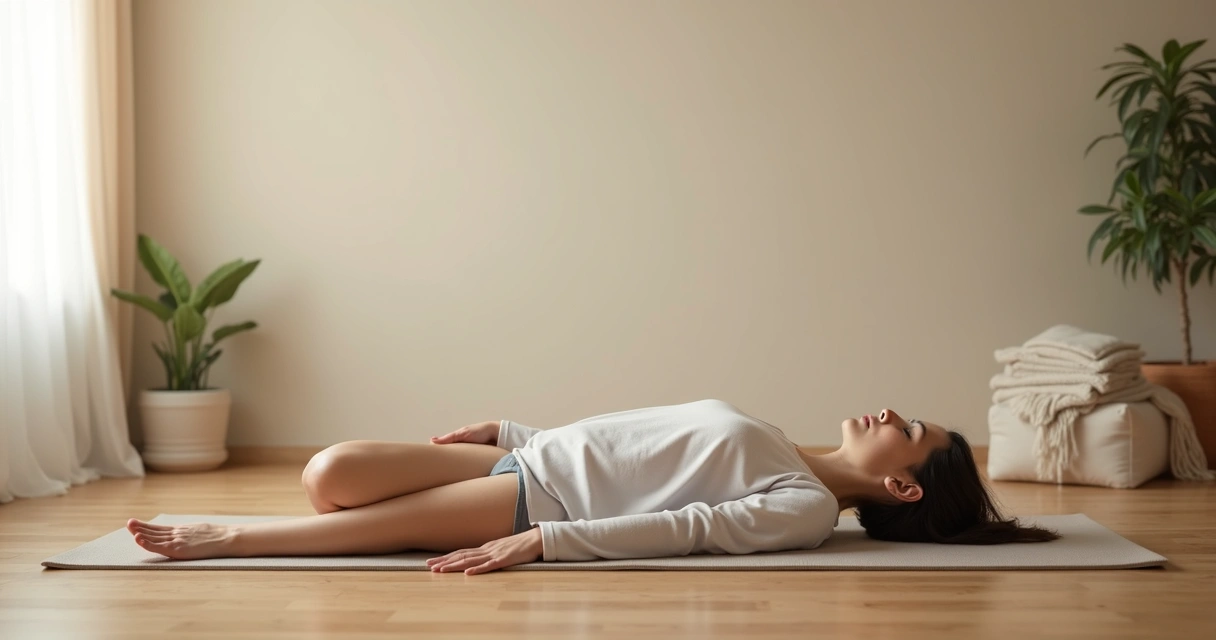
We have seen how powerful this can be for people who have lived in “go mode” for years. At first, they may feel surprised by how much is happening inside them.
Try this order:
Bring attention to the feet.
Move to legs, hips, belly, chest, shoulders, face.
Pause for a few breaths in each area.
Notice warmth, tightness, tingling, or nothing at all.
If this pattern speaks to you, topics related to emotional development can also help, because body tension often carries unprocessed feeling.
Emotional flooding and inner overwhelm
Here, stress feels emotional first. Irritation rises fast. Tears come close. Small things feel too big. It is not just thought or tension. It is intensity.
For this pattern, loving-kindness meditation can be a gentle support. Instead of forcing silence, we repeat phrases of goodwill toward ourselves and others. This helps soften harsh inner reactions.
Loving-kindness meditation can help when stress turns into self-criticism, emotional pain, or relational strain.
We may use phrases like:
May we be safe.
May we be calm.
May we meet this moment with care.
This is not denial. It is emotional retraining. It teaches the nervous system that firmness and kindness can exist together. Readers who want to go deeper into behavior and reactions may also find value in themes from applied psychology.
Numbness, fatigue, and mental fog
Not all stress is loud. Sometimes it goes flat. We feel distant, uninspired, and mentally dull. Sitting still with eyes closed may make us more sleepy, not more aware.
For this pattern, walking meditation is often a better fit. We keep the body moving slowly and place attention on each step, the contact with the floor, the shift of weight, and the rhythm of the breath.
Years ago, one of us worked with a person who said, “If I sit still, I disappear.” Walking practice changed everything for them. Movement gave them a way back into presence.

This method works best when we stay simple:
Walk slower than usual.
Feel heel, sole, and toes.
Keep the gaze soft.
Practice for 10 minutes.
For some people, this opens a door into broader questions of identity, awareness, and meaning. If that is your case, topics on consciousness may offer a wider frame.
How to choose without overthinking
We do not need to test ten techniques in one week. A simpler path usually works better. Start by asking one question: “When stress appears, what changes first in me?”
The answer often falls into three zones:
If thoughts speed up first, choose a focus practice.
If the body tightens first, choose a body-based practice.
If emotion surges first, choose a compassion-based practice.
We match meditation to the first signal of stress, not just the loudest symptom.
This small shift can save months of frustration. If you want to compare methods and themes in a broader way, the site search area for related topics can help you continue that reflection.
How to make the practice stay
A good match still needs consistency. We think of meditation less as an isolated event and more as a repeated meeting with ourselves. Short practice, done often, changes more than rare long sessions.
Useful habits include:
Practice at the same time each day.
Start with 5 to 10 minutes.
Use one technique for at least a week.
Track what changes in thought, body, and mood.
Some days will feel quiet. Some will feel messy. Both count. Meditation is not a performance. It is training in awareness.
Conclusion
Stress does not speak with one voice, so meditation should not be chosen as if it does. When we notice whether our stress shows up as racing thought, body tension, emotional overload, or numb fatigue, we can choose a practice that meets us where we are.
That is usually when meditation stops feeling abstract and starts feeling real. Small. Clear. Human.
The right practice feels like support, not strain.
Frequently asked questions
What is stress pattern meditation?
Stress pattern meditation is the idea of choosing a meditation method based on how stress appears in us. If stress shows up as mental speed, body tension, emotional overload, or fatigue, we choose a practice that responds to that specific pattern.
How to find my stress pattern?
We can find our stress pattern by noticing what changes first under pressure. Watch your thoughts, breath, muscles, sleep, mood, and energy for a few days. The first repeated signal usually points to your main pattern.
Which meditation suits anxiety best?
For anxiety, breath-counting meditation and guided mindfulness often work well because they give the mind a steady point of focus. If anxiety also brings strong body tension, a body scan may help more.
Is meditation worth it for stress?
Yes, for many people it is. Meditation can help calm mental noise, reduce body tension, and improve emotional balance. It tends to work best when the method fits the person’s stress pattern and is practiced with regularity.
How often should I meditate?
A daily practice of 5 to 10 minutes is a good start. We usually find that short, steady practice works better than long sessions done only once in a while. After a week or two, you can adjust the time based on how your system responds.