


There are moments in our daily lives when the mind feels muddy, our emotions feel heavy, and our attention slips away. In our experience, these are the times when many reach for mindfulness. Yet, adding breathwork to our routines brings something different—a deep sense of clarity that can shift our entire day.
The basics of breathwork and mindfulness
When we speak of mindfulness, we often mean the practice of paying attention to the present. Most people imagine sitting quietly, eyes closed, just watching thoughts come and go. Breathwork is simply directing our focus to the breath—how we inhale, how we exhale, and how that feels in the body.
Breathwork is the conscious control and awareness of breathing patterns to influence our mental state. Mindfulness, on the other hand, is becoming aware of what is happening right now, with acceptance. Combining the two can create a space where inner clarity naturally arises.
Why does breathwork amplify clarity?
Our breath acts as a direct gateway between body, mind, and emotion. The way we breathe changes how we feel physically and emotionally. In our research, we have found that slow, deep breaths often calm the mind, while rapid or shallow breathing signals stress.
Calm breath, calm mind.
By focusing on breath within mindfulness, we can:
- Reduce mental noise and overthinking
- Activate the body’s relaxation response
- Create a sense of presence and alertness
- Break loops of negative thinking
- Organize chaotic emotions
Intentionally integrating breathwork guides our attention away from distractions and back to the present moment, one breath at a time.
Simple breathwork techniques to blend into mindfulness
We see breathwork not as an isolated tool, but as a living part of a larger practice. It’s practical, accessible, and can be woven into daily routines in just a few minutes.
Here are some well-known methods to try, whether you are sitting, walking, or even at work:
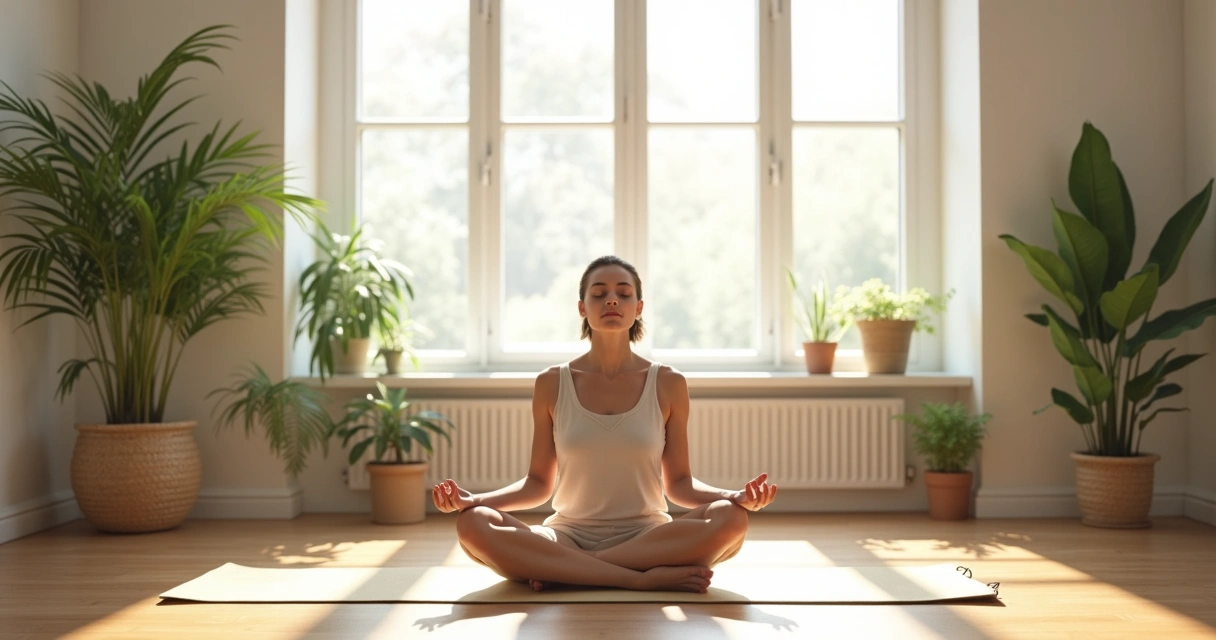
- Box breathing (4-4-4-4): Inhale for 4 counts, hold for 4, exhale for 4, hold again for 4. Ideal for gaining quick focus.
- Long exhale breathing: Inhale for a count of 4, then exhale for a count of 6 or 8. This switches the body into relaxation, reducing inner noise.
- Nasal breathing awareness: Simply observe air moving in and out of the nose, noticing coolness as you inhale and warmth as you exhale. Return to this anytime thoughts drift.
- Three deep breaths: When you need a reset, pause and take three slow, deliberate breaths. This brings immediate clarity.
We recommend trying just one of these methods during your next mindfulness session, paying attention to any changes in how you feel.
Creating a practical breathwork routine
Integrating breathwork doesn’t mean adding another task to your to-do list. We believe it works best when it fits easily into your existing mindfulness practice. Here’s how we often suggest starting:
- Choose your setting: Find a quiet space, free from interruptions. This could be a corner in your home, your car, or even at your desk during a break.
- Get comfortable: Sit or stand with your spine straight, shoulders relaxed.
- Set an intention for clarity: Before beginning, say quietly to yourself, “May I find clarity in this breath.”
- Pick your breathwork method: Select from the list above, or use your own favorite.
- Set a timer: Start with just 2-5 minutes. Longer periods are great, but not required.
- Gently return: When thoughts wander, kindly bring your focus back to your breath. No judgment, just notice and return.
Over time, we find this routine naturally creates more mental space, and the clarity often lingers long after the session ends.
What does clarity really feel like?
We often ask ourselves, how does it feel when the mind is clear? People describe different sensations—some feel spaciousness, others an unobstructed attention, some notice their thoughts becoming more organized. For many, the body feels relaxed, and emotions become easier to understand or accept.
Clarity is not perfection or absence of thought, but a sense of lightness and openness in the mind that lets us see choices with fewer distortions.
When we integrate breathwork with our mindfulness practice, we often discover answers or insight that would otherwise remain hidden under everyday stress.

The science behind breathwork and attention
It can be helpful to understand what science says about how our breath shapes our mind. Slow, deep breathing has been shown to calm the nervous system and enhance attention. By gently steering our awareness to the breath, we activate areas of the brain responsible for focus and emotion regulation.
Over time, this regular practice even shapes new habits of attention, emotional self-regulation, and resilience. For those interested, our sections on emotional development and applied psychology share practical applications and scientific insights about these links.
When to practice integrating breathwork and mindfulness?
There is no single “right time”—in our view, clarity can be found whenever we need it. Still, certain moments are ideal for this practice:
- At the very start of your day, to set a clear intention
- Before big meetings or tasks that need focused attention
- After emotional upsets, when you want to regain balance
- During transitions, such as arriving home or stepping outside
Many also find support by searching for specific breathwork topics or fresh techniques. Our breathwork resources section provides a range of options to experiment with.
Bringing clarity to daily life through breath and awareness
The benefit of integrating breathwork into our routines isn’t about adding another ritual or expecting magic. Instead, we see it as a simple habit—one that brings us back, over and over again, to ourselves. It supports clearer thinking, kinder choices, and a more openhearted presence in daily life.
To deepen your journey, our pages on mindfulness and consciousness contain more tips and reflections on using breath as a path to greater self-awareness.
Each clear breath is a quiet step closer to the center of who we are.
Conclusion
Integrating breathwork into mindfulness routines brings real, practical clarity to our busy lives. It is a gentle but powerful tool that can be woven into every day, shaping the way we respond to stress, connect with others, and understand ourselves. With patience and consistency, even a few quiet minutes of breath awareness can shift our whole day. We encourage everyone to begin with just one mindful breath and see where it leads.
Frequently asked questions
What is breathwork in mindfulness routines?
Breathwork in mindfulness routines means bringing intentional attention to each inhale and exhale during a mindfulness session. It involves observing or guiding the breath to create a calm and alert mind. This can include slow breathing, deep breathing, or simply watching natural breath.
How to start breathwork for clarity?
Begin by sitting comfortably with your back straight. Set an intention for clarity, then choose a simple breathing method like box breathing or long exhale breathing. Focus your mind gently on your breath for a few minutes. When thoughts wander, bring your focus back to breathing, kindly and without judgment.
Is breathwork effective for mental clarity?
Many studies and personal experiences show that breathwork is an effective way to achieve greater mental clarity. By focusing on the breath, the mind becomes less scattered, stress is reduced, and it's easier to see situations with a clear mind. Practicing regularly often brings even more noticeable results.
What are the best breathwork techniques?
The most practical techniques include box breathing, long exhale breathing, nasal breathing awareness, and taking three slow, deep breaths. The best technique is the one that feels most comfortable and brings you back to the present moment. Start with one method and see what works best for you.
Can I practice breathwork at home?
Yes, breathwork can be practiced at home, and it requires no special equipment or setup. Just find a quiet moment, sit comfortably, and start. Many people find that doing breathwork in familiar spaces actually helps make mindfulness part of daily life.