

Each day brings new challenges to our clarity and emotional balance. Many of us move through routines on autopilot, only noticing our inner world when stress or discomfort grows too loud to ignore. At Meditation Science Hub, we've seen from years of practice and research that cultivated self-knowledge transforms not only our mindset but our relationships, choices, and sense of meaning. Mindful self-knowledge means observing ourselves with presence, honesty, and gentleness to build clarity from moment to moment.
The foundation: What is mindful self-knowledge?
Self-knowledge is not a fixed achievement or a label. It's an ongoing interaction with how we feel, think, and act. In our framework, mindful self-knowledge is the daily practice of:
- PausING to observe our emotional states with awareness
- Reflecting on our thoughts without hasty judgment
- Recognizing behavior patterns—both nurturing and limiting
This approach, explored in depth on Meditation Science Hub, integrates elements of mindfulness with the process of conscious reflection. When we cultivate self-awareness with curiosity instead of criticism, we nourish growth at every level: emotional, mental, and even at the level of our deepest values.
The path to clarity begins with a single question: What am I truly experiencing right now?
Why we lose clarity in daily life
Daily stressors and external pressure can make our minds noisy. Emotional reactions arise before we pause to breathe. Over time, these habits create a kind of internal fog. We notice it as indecision, anxiety, or a sense of disconnection from our own needs and goals.
We found, in the course of guiding people through tools like the PSC framework and the 7 Pains of the Soul, that three patterns often stand in the way:
- Automatic pilot thinking: Routine overrides awareness
- Suppression of emotion: Pushing feelings aside builds internal tension
- Disconnect from purpose: Losing sight of our deeper intentions makes even small choices feel draining
Once we begin to notice these tendencies, we gently shift our approach. This is where mindful self-knowledge steps in—not as a quick fix, but as a daily source of clarity.
Key steps for daily clarity through mindful self-knowledge
Over decades working with Meditation Science Hub’s community, we’ve discovered a sequence of practical daily steps that create real change. These steps do not require special tools or hours of spare time. They rely on consistency, presence, and small acts of self-reflection.

1. Create mindful pauses
Short, recurring pauses throughout your day bring instant self-awareness. These breaks do not need to be mystical or complex—a minute of conscious breathing, a walk around the block, or a quiet moment over a glass of water are all enough. The key is intention: During the pause, ask yourself, "How am I feeling? What is on my mind?” Write one word or a short phrase if you wish.
2. Practice emotional labeling
Many emotional patterns become clearer once we learn to honestly name our feelings. Are we tired, frustrated, content, hopeful, or uncertain? The act of labeling gives shape to the formless. In our studies on emotional development, we found that conscious labeling prevents emotional buildup and helps us make better choices.
3. Observe mental stories
Our minds constantly create stories—about ourselves, others, and the world. Some are empowering, others limit us. Pause and notice: Is this story helpful? Could there be another perspective?
As we train this skill, we gain freedom from rigid beliefs. The inner dialogue softens, and we see possibilities where before we saw only obstacles.
4. Align with personal values
Our clarity grows strong when our actions match our deepest values. At Meditation Science Hub, we draw from the Marquesan Metatheory of Consciousness to help people recognize their authentic purpose. Even a small step—choosing kindness in a tense moment, seeking understanding instead of blame—can restore internal alignment and confidence.
5. Journal with presence
Journaling, done with mindfulness, is a cornerstone of self-knowledge. It’s not about recording everything, but about reflecting on what feels true and alive today. Try ending or beginning your day with three questions:
- What emotion stands out for me right now?
- What thought keeps returning today?
- Which action felt most connected to my values?
With regular practice, these notes become a map of our growth over time.
6. Use mindful movement
Clarity is not found in the mind alone. Bringing attention into the body—whether through mindful walking, gentle stretching, or even conscious hand washing—grounds awareness and breaks the trance of overthinking. We can integrate such practices, inspired by mindfulness principles, into any routine.
7. Review and adjust gently
Each evening, even for two minutes, we recommend a gentle review: What did I notice today? Where did I gain clarity, and where was I caught in automatic habits?
There is no judgment—only noticing. If something felt unclear, we can remind ourselves that tomorrow is a new opportunity for mindful observation.
Applying self-knowledge in daily choices
Once we begin to see ourselves clearly, decision-making shifts. Small acts—choosing how to respond instead of react, seeking a pause before judgment, or acknowledging our needs—become accessible. This creates a ripple effect across family life, friendships, work, and community.
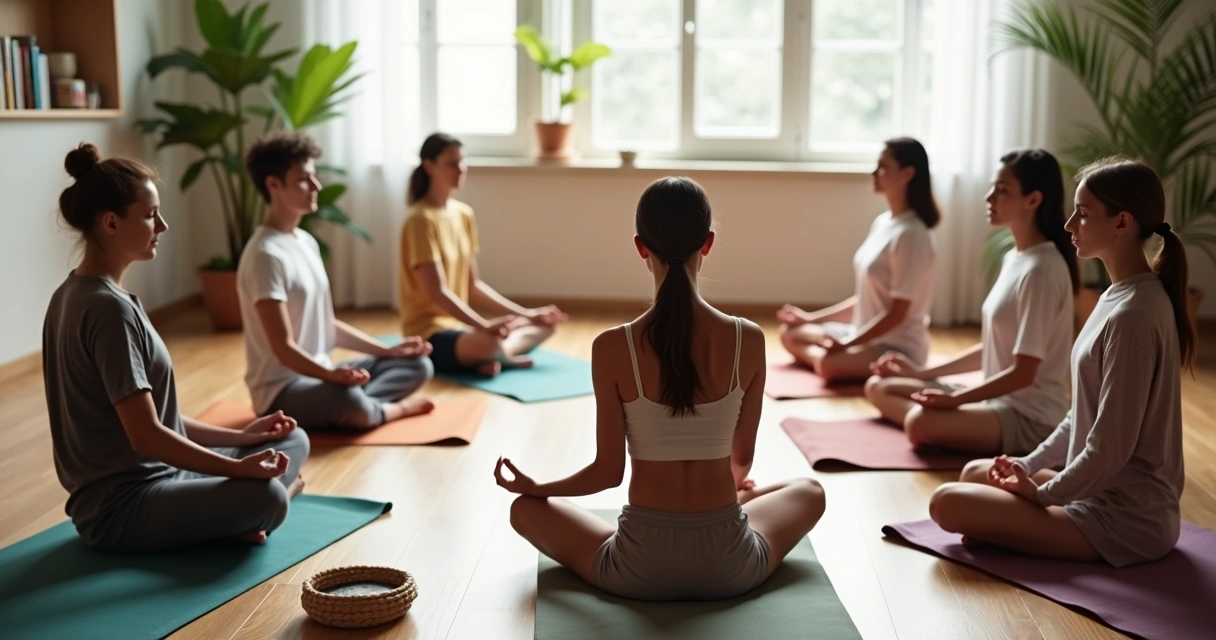
Many of our readers at Meditation Science Hub have shared: Over time, mindful self-knowledge affects every area of their lives, helping them act from a place of clarity rather than reactivity. It brings a new sense of confidence, even in complex situations.
Overcoming obstacles on the journey
Challenges will come. Old patterns can reappear, and some days feel busier or more stressful than others. Here are some realities we’ve observed, along with supportive insights:
- Progress feels slow: Growth through mindful self-knowledge is gradual. Some days bring strong insight, others may feel still. This is natural.
- Resistance or discomfort: Noticing our inner world can sometimes bring up feelings we’d prefer to avoid. Compassion, rather than judgment, creates the space for integration.
- Forgetting to pause: It’s easy to slip back into automatic habits. Gentle reminders, perhaps a note on a mirror or a timer, keep us engaged.
In our article collection on mindfulness and emotional development, you will find more practices if you wish to support your journey.
A holistic approach: Combining frameworks for fuller clarity
At Meditation Science Hub, we integrate practices not just from mindfulness, but also from applied psychology, emotional intelligence, and practical spirituality. We believe clarity is not a privilege, but a natural capacity everyone can grow. Our holistic approach involves mind, emotion, behavior, purpose, and consciousness—together forming a rich foundation for clarity.
If you want to deepen your practice, our pages on applied psychology and consciousness offer additional guidance. You can also search our archive for tailored advice and practices using the site search tool.
Conclusion: The movement of everyday self-knowledge
Clarity is not a rare gift. It is a quiet skill, trained by simple, mindful acts of attention and reflection. In our experience, the most meaningful progress comes not by waiting for perfect circumstances, but by showing up for ourselves just as we are, every day.
A clear mind begins with a gentle pause.
If you are curious about how mindful self-knowledge can reshape your inner and outer life, we invite you to join the ongoing conversation at Meditation Science Hub. Explore, try a practice, or share your own experience and become part of a movement toward lasting human transformation. Your story can inspire others. Begin today.
Frequently asked questions
What is mindful self-knowledge?
Mindful self-knowledge is the conscious and gentle observation of one’s own thoughts, feelings, and behaviors in daily life. It combines awareness with curiosity, so we notice what is happening in the present—internally and externally—without judging ourselves. This allows for honest reflection, greater emotional understanding, and the ability to make choices that align with our true values.
How do I practice mindful self-knowledge?
We suggest starting with short, intentional pauses throughout your day. During these times, bring your full attention to your current experience. Simple practices such as mindful breathing, emotional labeling (naming what you feel), writing in a journal, and reviewing your actions through the lens of your values foster a daily habit of self-knowledge. Over time, these practices can be woven into nearly any routine.
Why is mindful self-knowledge important?
Practicing mindful self-knowledge provides greater clarity, emotional balance, and a deeper sense of control in daily decisions. We become more aware of unhelpful patterns and cultivate the ability to respond thoughtfully rather than react automatically. This leads to healthier relationships, improved mental clarity, and a greater capacity to handle stress.
What are daily steps for self-clarity?
In our experience, the most effective steps include regular mindful pauses, emotional labeling, observing thoughts and stories, aligning actions with personal values, short journaling sessions, mindful movement, and a nightly review without self-judgment. Keep these steps simple and consistent, focusing on just one or two at first if needed. Small efforts add up to lasting change.
Can mindfulness improve my self-awareness?
Yes, mindfulness is a proven way to increase self-awareness. By paying attention to the present moment—how we feel, think, and act—we notice patterns that might otherwise go unchecked. This increased self-awareness makes it easier to understand ourselves and adjust our responses for healthier outcomes.