

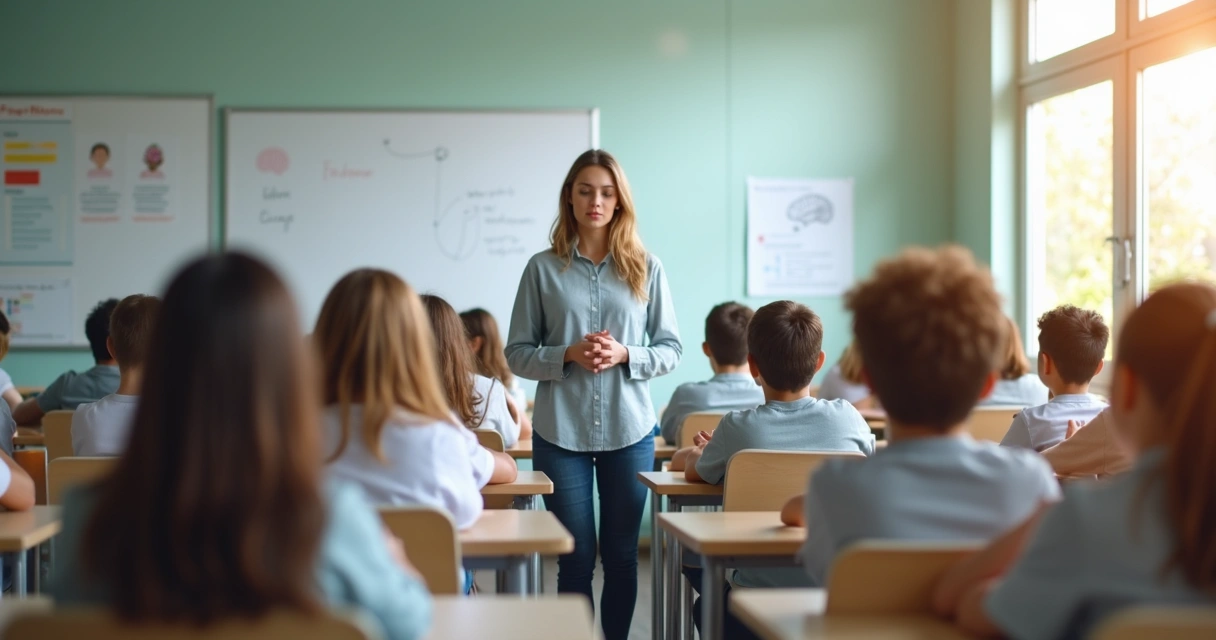
Every classroom holds a web of feelings, thoughts, and silent stories. We see it when eyes shine with understanding or silence fills the room after a tough question. For educators, moments like these highlight an obvious need: we must bring more than knowledge. We must bring presence, understanding, and conscious action.
This is where applied consciousness steps in. We believe it can transform both the way we teach and the way students learn, paving the way for deeper growth on both sides.
Understanding applied consciousness in education
Applied consciousness, as we see it, means being aware and intentional—in our thoughts, actions, and responses—right in the heart of daily experiences. For educators, it’s not just about what we teach, but also how we show up, perceive, and relate to ourselves and others. It’s about being present, emotionally aware, and fostering an environment of growth and genuine connection.
Awareness is the beginning of transformation.
We’ve seen classrooms change when teachers lead with presence, listen deeply, and respond rather than react. This simple shift supports emotional safety—one of the biggest drivers of real learning and personal growth.
Why does applied consciousness matter for educators?
Teaching is never only academic. Children and adults bring their hopes, fears, past wounds, and dreams into the room. Educators carry their own experiences too. When we practice applied consciousness, we:
- Become more emotionally available for students.
- Recognize our own patterns, biases, and triggers.
- Guide discussions with greater presence and empathy.
- Help students feel seen and valued—far beyond grades or test results.
We believe that the teacher’s energy quietly (or loudly) shapes the classroom. The more self-aware and attuned we are, the more positive and transformative the impact—on everyone involved.
Building self-awareness: The foundation
Conscious teaching begins with self. Developing self-awareness is the first practical step. Here’s how we recommend getting started:
- Pause before reacting. Give yourself a moment to notice what you’re feeling—both the pleasant and the difficult. Naming it is the first step.
- Reflect on your responses at the end of each day. Did you respond to a student out of habit, frustration, compassion, or true listening?
- Notice physical signals (tight shoulders, shallow breath). Bodies speak before words do, signaling when something is off—or on track.
Developing self-awareness is not a quick leap. It’s a process, built on daily small steps. But each step adds clarity and steadiness.
Concrete tools for the conscious classroom
After awareness comes action. Here are practical techniques we have seen transform educational environments:
Mindful presence practice
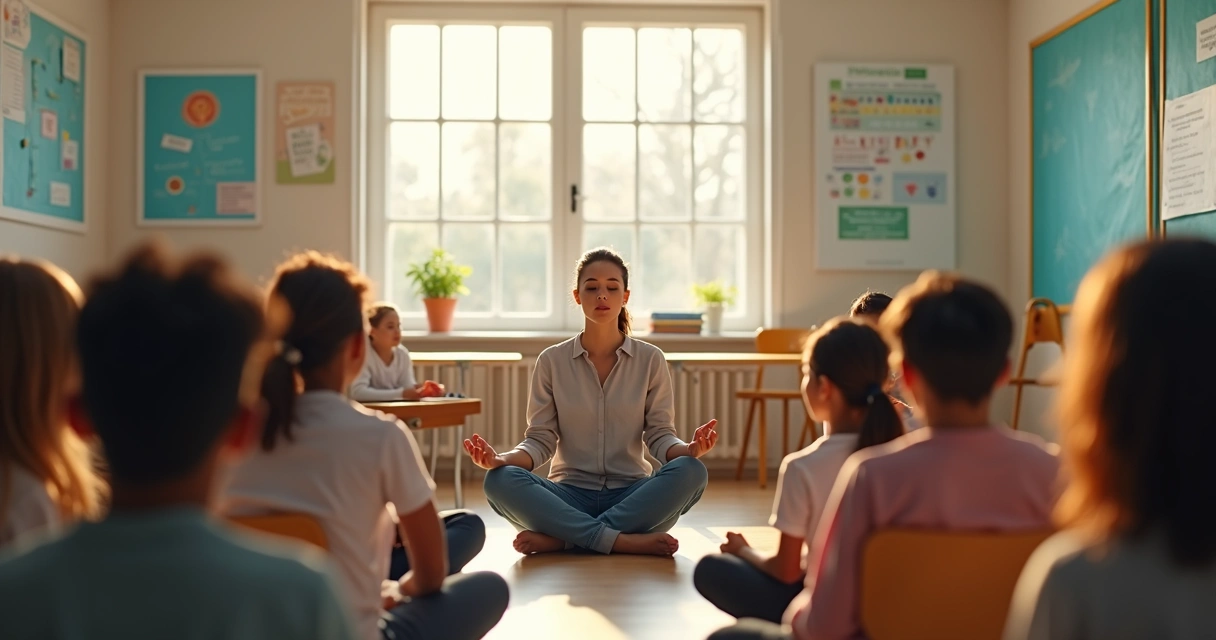
- Begin the day—or any new lesson—with a short breathing practice. Two minutes with eyes closed, everyone simply noticing their breath. It grounds nervous energy.
- Use brief “presence check-ins” before or after tests, group work, or transitions. Try asking, “How are we arriving in this moment? One word only.” Let students speak — or stay silent if they choose. Both ways matter.
Emotional literacy building
- Introduce regular “feelings rounds.” Students pick a feeling word that best describes their mood. This builds emotional vocabulary and makes it easier to ask for help.
- Model language such as “I notice I’m feeling frustrated,” or “I’m excited to see how this goes.” We show that naming emotions is safe and normal.
Active listening techniques
- During discussions, gently reflect back what you hear. For example, “You’re saying it was confusing when …” This creates warmth and deeper sharing.
- Encourage students to listen to each other fully before responding. Create group agreements around respect, listening, and curiosity.
Structured self-reflection for growth
- End lessons with reflective questions: “What did I learn about myself today?” or “How did I contribute to our group’s mood?” Self-reflection brings lasting change.
- Encourage goal-setting based on values, not only academic outcomes. This helps connect learning to meaning and purpose.
Integrating applied psychology and emotional development
We think the bridge between theory and practice rests on consistently integrating applied psychology and emotional development principles into daily routines. This means:
- Understanding the stages of emotional maturity so we meet students where they are.
- Using gentle inquiry when behaviors or moods shift, instead of only discipline.
- Offering steady routines, but making space for flexibility in moments of strong emotion.
We recognize every educator brings their unique perspective, but when emotional intelligence becomes a deliberate part of daily practice, classrooms run more smoothly and students thrive with less stress.
Bringing mindfulness into the learning process
Mindfulness is not a one-size-fits-all solution. Instead, it’s a toolbox from which we can draw different tools for different individuals and moments. We have found the following practices especially helpful:
- Apps and guided meditations focused on presence and calm can be used to introduce beginners to mindfulness or close the day on a calm note.
- Movement-based mindfulness (like stretching together, or walking outside mindfully) helps with restless or anxious learners.
- Using short stories that teach perspective, patience, or compassion lets students connect emotionally to the content.
- Encouraging gratitude journaling or gratitude circles at the end of each week enhances positive mindset and builds a sense of community.

Leading by example: Conscious leadership in education
We believe that educators are natural leaders, shaping the culture and values of a learning environment each day. Conscious leadership means:
- Communicating openly and honestly, with respect for different points of view.
- Seeking feedback and recognizing both strengths and areas for growth in ourselves.
- Modeling self-compassion. When we make mistakes (all humans do!), we own it, repair, and move forward together with our students.
For more insight into leadership skills anchored in conscious awareness, see our section on conscious leadership.
Connecting consciousness to curriculum
Applied consciousness does not mean we must abandon skills, grades, or standards. Instead, we embed awareness, presence, and emotional learning into all that we already teach.
- Add reflection prompts to writing and science assignments.
- Create space for students to share personal insights during projects.
- Discuss emotional and social themes in novels, history, or current events.
This subtle integration respects the needs of every learner, boosts engagement, and prepares students for a balanced approach to challenges outside the classroom too.
Learning more and practicing together
Continuous improvement in applied consciousness comes from shared practice. We invite educators to join communities of practice, attend workshops, or simply connect with a peer to discuss mindful methods. Resources like our consciousness and mindfulness resources can support ongoing learning as well.
Conclusion
Applied consciousness in education transforms how we relate to ourselves, our students, and our work. By focusing on presence, emotional awareness, mindful action, and conscious leadership, we create classrooms where learning unfolds naturally—and everyone feels safe to be themselves.
As we cultivate awareness and compassion, we find teaching becomes more than a job. It becomes a way to grow, together.
Frequently asked questions
What is applied consciousness in education?
Applied consciousness in education means educators intentionally bring awareness, presence, and emotional intelligence into teaching practices, creating a supportive learning environment where everyone feels seen and valued. This involves being aware of one's own thoughts, emotions, and behaviors, as well as the needs and experiences of students.
How can teachers use applied consciousness?
Teachers can use applied consciousness by practicing self-awareness, leading mindful activities, modeling emotional literacy, facilitating respectful listening, and integrating reflection into lessons. Simple habits such as pausing before reacting, checking in with students, and naming feelings aloud help build a conscious classroom culture.
What are the best tips for educators?
- Practice daily self-reflection to understand your responses and emotions.
- Introduce mindful moments, like short breathing exercises or gratitude journaling.
- Foster emotional literacy by encouraging students to name and discuss what they feel.
- Lead by example with honest, open, and compassionate leadership.
- Use active listening and support peer sharing in the classroom.
Is applied consciousness helpful for students?
Yes, applied consciousness is helpful for students as it supports emotional safety, personal development, and better learning outcomes. Students gain skills like self-regulation, empathy, and resilience, strengthening both academic and personal growth.
Where can I find more resources?
For further reading, we suggest sections on consciousness, leadership, applied psychology, mindfulness, and emotional development. These cover topics, examples, and further tips for integrating applied consciousness into educational practice.