

Unconscious resistance is one of those barriers that can quietly shape, limit, or even disrupt our potential for growth. We have all felt a sudden urge to procrastinate, a tension before a big decision, or that subtle discomfort when facing a new opportunity. These patterns rarely call attention to themselves. Yet, they shape so much of what we choose, accept, and ultimately experience.
Understanding unconscious resistance patterns
Unconscious resistance is not rebellion in an obvious form. Instead, it’s something that happens beneath awareness—a silent pushback your mind generates whenever change appears. We believe these patterns are formed over time, influenced by emotion, experience, and the lessons learned throughout life.
Unconscious resistance keeps us inside invisible boundaries we rarely question.
They can show up as self-doubt, hesitation, an urge to avoid, or even an unexplained fatigue when facing changes. Most people do not recognize them for what they are, because these impulses feel like “just who we are.”
How do these patterns show up?
In our experience, unconscious resistance shapes behavior in subtle but predictable ways. Sometimes it shows as:
- Procrastinating or delaying tasks linked to growth
- Discomfort or anxiety before important conversations
- Sudden distraction or loss of focus when facing something new
- Emotional reactions such as irritability or helplessness
- Self-sabotage, where your own actions undermine your goals
- Rationalizing why you “can’t” or “shouldn’t” move forward
- Overcommitting to the point of burnout, as a mechanism to avoid real change
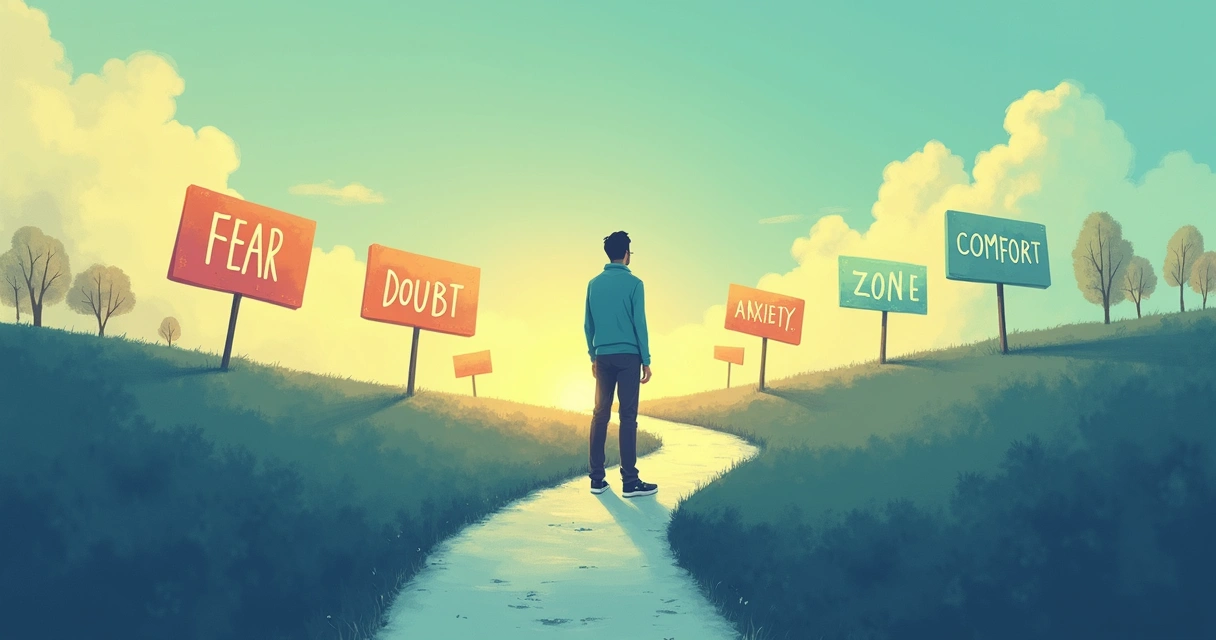
These behaviors are defense mechanisms, not conscious choices. They gently, or sometimes forcefully, keep us rooted in our comfort zones.
Where do these patterns come from?
Most resistance patterns are protective responses your mind created early on, often to shield you from pain or uncertainty. Over time, they become ingrained emotional habits. We find their origins are commonly connected with:
- Past setbacks or failures, especially ones that caused shame or embarrassment
- Negative beliefs about your own abilities or deservingness
- Messages from family, culture, or past authority figures
- Even small, repeated disappointments that lead to a “better safe than sorry” attitude
The key realization is that these patterns are no longer serving us. Yet, because they live in the background, they can steer us off track before we notice.
Recognizing resistance in the moment
Noticing unconscious resistance is the first step toward change. In our practice, we have seen that the following signals are often present:
- Unexplained tension in the body when considering a new goal
- A sudden burst of negative self-talk
- Physical symptoms like headaches or fatigue right before taking action
- Feeling “foggy” or confused when clarity would be possible
If you pay attention, you will find these responses are often strongest when real change is at stake.
Practical ways to shift unconscious resistance
Once we see that resistance is not a moral failing, but an outdated defense, we can approach it differently. Creating space for transformation involves self-kindness, awareness, and structured action. Here’s the process we suggest for shifting these patterns:
Step 1: Bringing awareness into the body
Begin by noticing, without judgment, how resistance feels physically. Do you feel a tight chest? Restlessness in your legs? A sudden urge to step away from what you’re doing?
Bringing attention to the body connects emotion and awareness, shifting energy from unconscious reaction to conscious observation. Even one minute of quiet noticing can create this bridge.
Step 2: Naming the pattern
Give the pattern a name. “There’s that urge to avoid again” or “This is the voice of my old fear.”
Naming transforms a vague feeling into something you can see and address. It’s the first act of self-coaching—the start of turning the unknown into the known.
Step 3: Mapping the triggers
Every pattern is activated by a trigger: a thought, a situation, a memory. Reflect on the kinds of moments where resistance is most likely to appear for you. Is it right before you present, or just as you commit to a goal?
- Jot down the last three times you felt resistance
- What did you notice in your body and mind?
- Was there a particular topic, person, or outcome involved?
This exercise often uncovers “hidden rules” you didn’t realize you were following.
Step 4: Reframing the story
We all have inner stories about what change means. If your mind thinks risk equals pain, it will resist. If you believe growth equals abandonment, you may pull back at the moment of progress.
By gently challenging these stories and writing down new, more supportive beliefs, we can shift the foundation underneath resistance.
What we believe about ourselves shapes how far we allow ourselves to go.
Step 5: Taking small, intentional actions
Once you spot resistance and reframe your thinking, the final step is action. Not grand leaps—just small moves that send a message to your unconscious mind that new outcomes are possible.
- Break big changes into tiny steps. Each step you complete lowers the “danger” your system perceives.
- Celebrate even minor wins with brief acknowledgment.
- Keep a short log of actions taken despite resistance. Seeing this list grow confirms internal change.
Consistency, not intensity, is what weakens unconscious resistance over time.
Using mindfulness to support change
Mindfulness supports this process by growing our capacity to observe thoughts and feelings without becoming attached to them. Even brief daily practices increase our awareness of automatic patterns, leading to more conscious choices. For those interested in extending inner work, mindfulness is a helpful tool, and additional perspectives can also be found through mindfulness-based resources.

Integrating emotional intelligence and self-leadership
We find it meaningful to connect the process of shifting resistance to building broader emotional intelligence and self-leadership. When people recognize, name, and work with their patterns, they develop the ground for greater creativity, confidence, and more purposeful choices. To go deeper, themes such as emotional development, leadership, and applied psychology offer supportive frameworks. There are also profound links with our growth in consciousness.
Bringing it all together
Unconscious resistance is a silent partner in our growth journey. By learning to recognize its patterns, we reclaim the freedom to choose change, rather than repeat the old. It is a gentle process—one that values awareness over force, consistency over drama, and kindness over criticism.
Transformation is possible, one small step at a time.
Frequently asked questions
What is unconscious resistance?
Unconscious resistance is the automatic, often hidden, habit of avoiding or sabotaging change, growth, or discomfort without deliberate intention. It shows up as hesitation, procrastination, or discomfort when facing new situations, and it operates without our full awareness.
How to recognize resistance in myself?
Notice patterns such as a strong urge to delay or avoid tasks, tension or discomfort when facing new opportunities, negative self-talk, or unexplained fatigue around changes. Body sensations like tightness or sudden tiredness before taking action may also signal resistance.
What are common resistance patterns?
Common patterns include procrastination, negative thinking, overcommitting (to avoid personal growth), self-sabotage, frequent distractions, emotional discomfort, or rationalizing reasons not to try something new.
How can I shift these patterns?
First, bring awareness to body sensations and emotions when you notice resistance. Name the pattern, identify the triggers, and gently reframe your beliefs about change. Take small, consistent actions that challenge the old pattern, and consider using mindfulness to increase self-observation.
Is it worth it to address resistance?
Addressing unconscious resistance can unlock personal growth, healthier relationships, greater confidence, and the freedom to pursue meaningful goals. The process often leads to more authentic choices and a deeper sense of well-being.